Saturday, August 27, 2011

Sources of Energy in Melbourne and Across Victoria

Illustration: Different types of renewable energy.Image via WikipediaBy Amber Nichols

When talking about energy sources in the densely populated city of Melbourne and other parts of Victoria, Australia, it is unfortunate to know that the primary source of electricity for the whole state is brown coal.

Brown coal is among the greatest contributors to the greenhouse gas emissions of the country. It is, sad to say, utilized in about 85 percent of the state's total electricity consumption. However, it is also good to know that chief power suppliers in Australia like Red Energy, TRUenergy and Click Energy generate products from natural gas and renewable power including hydro, wind and solar, in an effort to help sustainability in the region.

The Victorian government, working with the environmental advocacy offices of the national government, has put in place programs to aggressively counter its greenhouse gas emissions and help build a more sustainable environment for its people. Among these are rebates on solar and gas hot water systems; GreenPower; Solar Cities; energy ratings; development of renewable energy sources like bioenergy, geothermal and mini hydro; and many other national and local government initiatives.

With the help of power retailers like AGL, Australian Power & Gas and Red Energy, the government is working towards this goal of developing renewable sources of energy. Having alternatives to its usual types of energy supply would decrease their dependence on brown coal. The renewable energy target for the state was set at 10% by the year 2016. That was in 2006. However, this number was recently increased to 25% by 2020.

While hydro power is the most widely generated and used renewable energy in the whole of Australia, it is scarce in Victoria due to the state's very limited water resource. But the government still has been able to generate hydro power for Victoria with the assistance of power suppliers in Melbourne like Red Energy and AGL. Victoria, instead, concentrates on other prime points of power supply, particularly wind farms and solar power stations.

This state is considered as one of the best homes for wind farms in the country. In about a couple of years from now, Victoria will have an additional capacity of 487 MW on top of its existing 428 MW. This number definitely beats the output of its Anglesea Power Station, which runs on brown coal and emits 1.21 million tonnes of greenhouse gases every year.

Roof-mounted solar systems are becoming more and more popular in homes and commercial establishments in Victoria in the recent years. By choosing solar power, consumers can get rebates on electricity rates from Red Energy, TRUenergy and other retailers that support the government's sustainable environment programs.

There is a host of other programs that the government and the industry sectors of Melbourne and Victoria are undertaking. All these are being done with the goal of reducing greenhouse gas emissions and have a more sustainable environment not just for the state, but for everyone in the world.

Red Energy Australia is part of Snowy Hydro Limited, a chief provider of hydro power in the National Electricity Market. Visit Switchwise to know more about Red Energy electricity rates and its efforts towards a more sustainable Australia.

Article Source: http://EzineArticles.com/?expert=Amber_Nichols
http://EzineArticles.com/?Sources-of-Energy-in-Melbourne-and-Across-Victoria&id=6513284
Enhanced by Zemanta

Wednesday, August 24, 2011

Reintroduction or Conservation Projects?

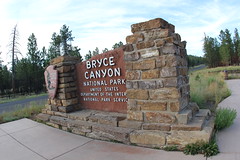
Welcome signImage by daveynin via FlickrBy Joanna French

There are pros and cons to each, but the ongoing debate of focusing efforts on reintroduction or conservation looks like something that is long going to continue. Here, we briefly consider if conservation organisations, government and non-governmental organisations (NGO's) should financially support reintroduction projects, or if the money could be better spent on other types of conservation projects.

Both reintroduction programmes as well as other types of conservation projects are very important and there is a balance that must be found in terms of resources given to each area. Indeed, reintroduction programmes alone will not remedy the situation that we are currently facing in terms of the ever decreasing numbers of species that live in their natural habitat.

If we first look at reintroduction, it can be seen that there are indeed benefits to reintroduction programmes and thus financial support is vital for them. In some instances, where there are only a few species remaining in their natural habitat, it is a good idea to try to reintroduce. Reintroduction gives species a 'fighting chance' of survival. It can also help preserve the biodiversity of the ecosystem.

Each species has its own role to play in the ecosystem and if some species are 'missing' it can throw the whole system out of balance. This can impact not only on flora and wildlife, but also on the local communities who rely on natural resources. Reintroduction is basically a way of trying to put right what mankind has done.

However, reintroduction cannot be considered in isolation, other types of conservation projects must run alongside any reintroduction projects if they are to prove successful.

An integrated approach should be taken to conservation projects - there is not one approach that can be used as a quick fix to the declining number of species found in their natural habitat. However, there are a number of issues that have an effect on populations and looking at these can then lead on to ways in which to help negate or at least diminish their impact.

One reason that some species are decreasing in number is due to loss of their natural habitat, infringement from logging and other activities, resulting in less area in which to move around and a scarcity of food resources. Deforestation is done for a number of reasons, both for large commercial gain, but also for personal use by often poor rural communities.

There is a great deal of profit that can be made for companies using natural resources, this is mainly down to demand from other countries for the products that are created using these resources. Education is paramount - explaining the consequences of a cheap product on the future of our natural resources may have some impact on the demand for products, however, what we really need is to develop alternatives that can be used; whose production would not have such an impact on the environment.

Education is also important for local communities surrounding these natural areas - they need to learn that there are ways in which they can use these resources, but in a sustainable manner. Also, alternative methods of making a livelihood should be explored.

Ecotourism programmes should also be funded, providing that they are run in the right way, that they are benefiting the country and local community as well as ensuring that the impact on the population and animals is not a negative one.

Money should also be spent on better enforcement of anti-poaching laws - it is too often the case that these laws are lax and are not perceived as a genuine threat by the poachers - the potential rewards are seen to outweigh the risk. If it was harder for poachers, the number of animals taken from the forest for the bushmeat and pet trade would be reduced and thus the numbers remaining in the wild would be greater.

The above are just a handful of initiatives that funding should be applied to. In some cases, programmes are already in place which are starting to make some inroads into these areas, however, there is still a lot that can be done. Whatever happens in the future, it is important to remember that there are a number of parties that have a vested interest and the consequences of any conservation initiatives should be considered across all these parties before being introduced.

Reintroduction projects are vital in attempting to put-right the past mistakes of humans that put in jeopardy the survival of the natural world. However, it is equally important to learn from the past and try to prevent the same mistakes recurring, through the implementation of alternative conservation projects. Ideally, in future this will remove the need for further reintroduction projects.

Joanna French is a conservation scientist, founder of http://www.ecotravelafrica.co.uk/ and supporter of conservation and development initiatives across the world. ecoTravel Africa promotes and supports responsible travel to natural areas that helps to conserve the environment and improves the well-being of local people. ecoTravel Africa creates tailor-made itineraries for either self drive, guided or small group travel that allow the traveller to be sure that they are travelling responsibly on any budget, whilst benefiting the environment and communities that they visit.

Article Source: http://EzineArticles.com/?expert=Joanna_French
http://EzineArticles.com/?Reintroduction-or-Conservation-Projects?&id=6470303
Enhanced by Zemanta